Introduction
When it comes to maintaining a home, few tasks are as critical yet often overlooked as drain cleaning. While many homeowners might be tempted to take a DIY approach, the question arises: is this the best way to tackle drain issues? Or should one consider hiring professional drain cleaning services? This article delves deep into the nuances of professional versus DIY drain cleaning, weighing the pros and cons of each approach. We’ll explore various methods, potential pitfalls, and everything in between to help you make an informed decision.
Drain Cleaning: A Necessity or an Afterthought?
Understanding Drain Cleaning
Drain cleaning refers to the process of removing blockages and buildup from pipes and drains. Regular maintenance can prevent clogs that lead to water backing up into sinks, bathtubs, or even flooding your basement. While some may dismiss it as merely a home maintenance task, the importance of effective drain cleaning cannot be overstated.
Why You Should Never Ignore Your Drains
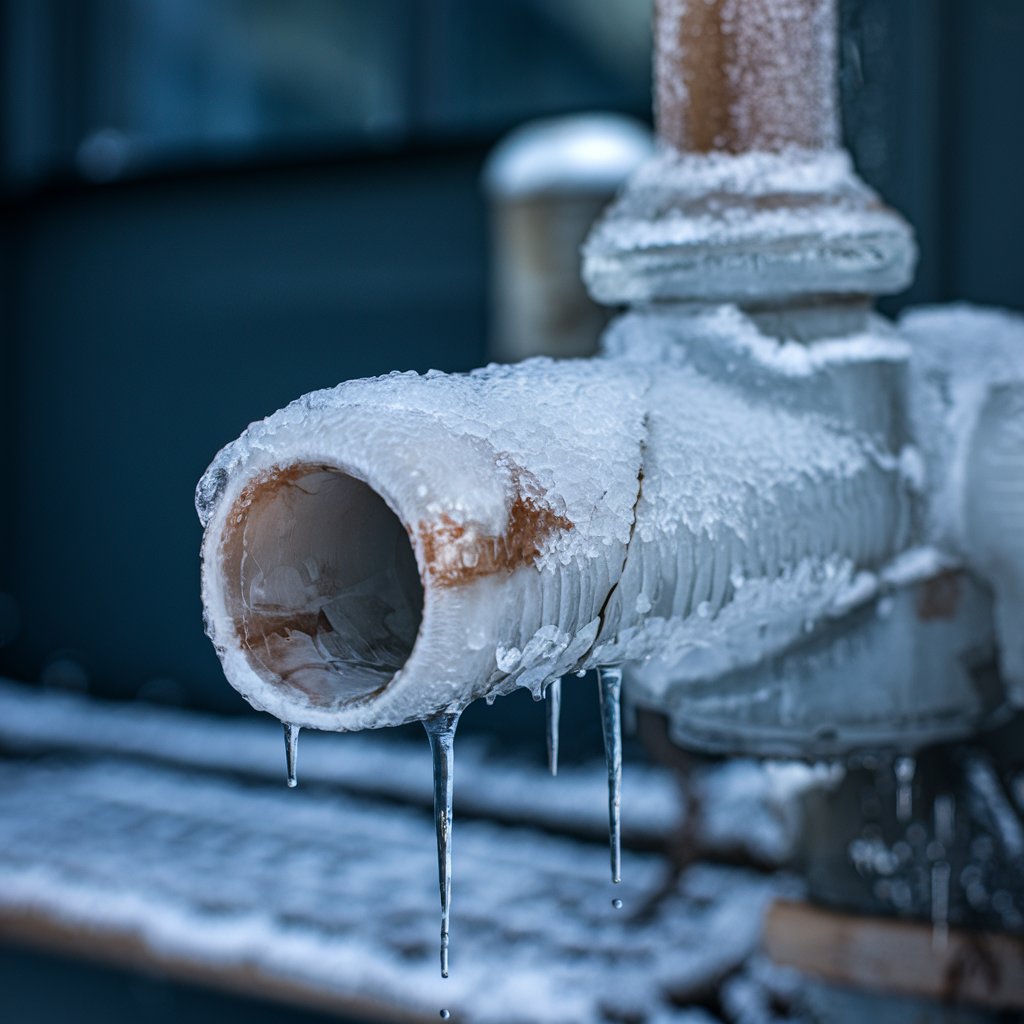
Clogged drains can lead to significant issues if not addressed promptly. Ignoring minor problems can result in severe plumbing emergencies that require costly repairs. When water cannot flow freely through your pipes, it can create pressure that leads to leaks or burst pipes—both scenarios nobody wants to deal with.
Professional vs. DIY: The Best Approach for Drain Cleaning
The Case for Professional Services
Expertise Matters
When opting for professional drain cleaning services, you’re enlisting trained experts who understand the intricacies of plumbing systems. They have the skills and experience needed to identify underlying issues that may not be immediately visible.
Advanced Tools and Technology
Professionals come equipped with specialized tools like high-pressure water jets and camera inspection technology. These tools allow them to address stubborn clogs effectively and ensure that all areas of your drainage system are clean.
Guaranteed Results
Most reputable drain cleaning companies offer guarantees on their work. If a clog reoccurs shortly after service, they will often return at no additional cost—a level of assurance you likely won’t get with DIY methods.
The Appeal of DIY Drain Cleaning
Cost-Effective Solutions
One of the most compelling reasons homeowners opt for a DIY approach is cost savings. Purchasing basic tools and products can be much cheaper than hiring professionals.
Immediate Action
With a DIY method, you can tackle a clogged drain immediately without waiting for an appointment with a service provider. This aspect appeals particularly during emergencies when time is of the essence.
Learning Experience
Taking on drain cleaning yourself can be an educational experience. It offers insight into how plumbing works, potentially empowering you for future home maintenance tasks.
Pros and Cons: A Detailed Analysis
Advantages of Hiring Professionals
Skillful Execution
Professionals know exactly what they’re doing.
Time-Saving
They can usually complete jobs faster than an average homeowner.
Preventive Measures
Experts often identify other potential issues while working on your drains.
Safety First
Dealing with plumbing can pose safety risks; professionals are trained to handle these dangers effectively.
Drawbacks of Hiring Professionals
Costly
Hiring experts can become expensive quickly.
Availability Issues
Appointments may not align perfectly with your schedule.
Quality Variability
Not all services guarantee quality work; research is essential before hiring anyone.
Benefits of DIY Drain Cleaning
Lower Costs
You save money by avoiding labor charges.
Flexibility
You choose when and how long to work on your drains.
Sense of Accomplishment
Successfully clearing a blockage yourself can boost confidence in your handyman skills.
Disadvantages of DIY Drain Cleaning
Limited Knowledge
Lack of expertise may lead to further complications.
Potential Damage
Incorrect use of tools or chemicals could result in pipe damage.
Time-Consuming
What seems simple could turn into hours of frustration if things go wrong.
Essential Tools for Drain Cleaning: Professional vs DIY
| Tool/Equipment | Professional Use | DIY Use | |------------------------------|------------------|---------------| | Drain Snake | Yes | Yes | | Hydro Jetting Equipment | Yes | No | | Video Inspection Camera | Yes | No | | Plunger | No | Yes | | Baking Soda & Vinegar | No | Yes | | Chemical Drain Cleaners | Optional | Optional |
Common Causes of Clogged Drains: Insightful Perspectives
1. Hair Buildup
Hair is one of the leading causes of clogged bathroom drains—especially in showers and sinks where hair tends to accumulate over time.
2. Food Waste
In kitchen sinks, food scraps often contribute significantly to clogs if they’re not disposed of properly or if a garbage disposal isn’t present.
3. Grease Accumulation
Grease from cooking tends to https://tmkplumbing.ca/sewer-line-services/ solidify within pipes when cooled down, leading to substantial blockages over time.
4. Foreign Objects
Kids (and even adults) sometimes drop items down drains that don’t belong there—think toys or jewelry—which creates unexpected blockages!
Professional Drain Cleaning Services Explained
How Do They Work?
Most professional services will begin with an inspection using cameras designed for plumbing systems, allowing them to locate clogs accurately before deciding on the best course of action—be it snaking or hydro jetting.
Cost Considerations
Prices can vary based on location and severity but expect anywhere from $100-$500 depending on complexity and required equipment usage.
FAQs About Drain Cleaning
1. How Often Should I Clean My Drains?
Ideally, you should clean your drains at least once a year; however, heavy usage areas like kitchens might require more frequent attention—perhaps every six months.
2. Can I Use Chemical Drain Cleaners Safely?
While chemical cleaners can provide quick fixes for minor clogs, they’re often harsh on pipes long-term; use them sparingly!
3. What Are Some Effective Natural Remedies?
Baking soda combined with vinegar creates an effective bubbling action that helps break down minor clogs without damaging pipes or harming the environment!
4. Is It Better To Hire Someone For Severe Clogs?
Absolutely! If conventional methods fail after multiple attempts (or if you suspect tree roots), reaching out to professionals is wise—they have advanced tools specifically designed for tough situations!
5 . Do I Need To Maintain My Drains Even If There Are No Clogs?
Yes! Regular maintenance helps prevent future issues—even routine flushing with hot water every few weeks keeps things flowing smoothly!
6 . What Should I Do If My Toilet Is Overflowing?
First off—stay calm! Turn off the water supply at its base; next attempt plunging gently until resolved—but if unsuccessful within minutes call a pro ASAP!
Conclusion
Deciding between professional services or tackling drain cleaning yourself ultimately comes down to personal preference—and perhaps urgency! Both methods have their merits, but understanding their strengths will help homeowners navigate this essential home maintenance task more effectively moving forward! Whether you grab that plunger or dial up your local expert service provider—it’s vital never ignore those pesky clogs lurking beneath our feet!
Choosing wisely could mean saving time—and money—in addition ensuring home safety too!