Homeowners in Alberta should be aware of the province's plumbing codes to guarantee their plumbing systems are safe, efficient, and consistent with legal standards. Compliance with these codes is a legal requirement and helps protect public health. Key elements include proper selection of pipe materials like copper, PVC, and PEX, and adherence to installation standards to avoid leaks and system failures. It is essential to secure permits and undergo inspections, with water-saving measures also being mandated. Regular maintenance and awareness of potential hazards can prevent violations. Understanding these considerations can greatly aid in maintaining compliant and safe systems.
Key Takeaways
- Homeowners must ensure plumbing systems comply with Alberta codes to avoid fines and ensure safety. Regularly check for updates to Alberta plumbing codes as they can change frequently. Obtain necessary permits before starting plumbing projects to prevent delays and legal issues. Use water-saving fixtures like low-flow toilets to comply with water conservation requirements. Schedule routine plumbing inspections to maintain compliance and identify potential issues early.
Understanding Alberta Plumbing Regulations
Understanding Alberta plumbing regulations is fundamental for anyone involved in the construction or renovation industry within the province. These regulations guarantee that plumbing systems are safe, efficient, and consistent across all buildings. Compliance with these standards is not only a legal obligation but also a significant aspect of safeguarding public health and safety.
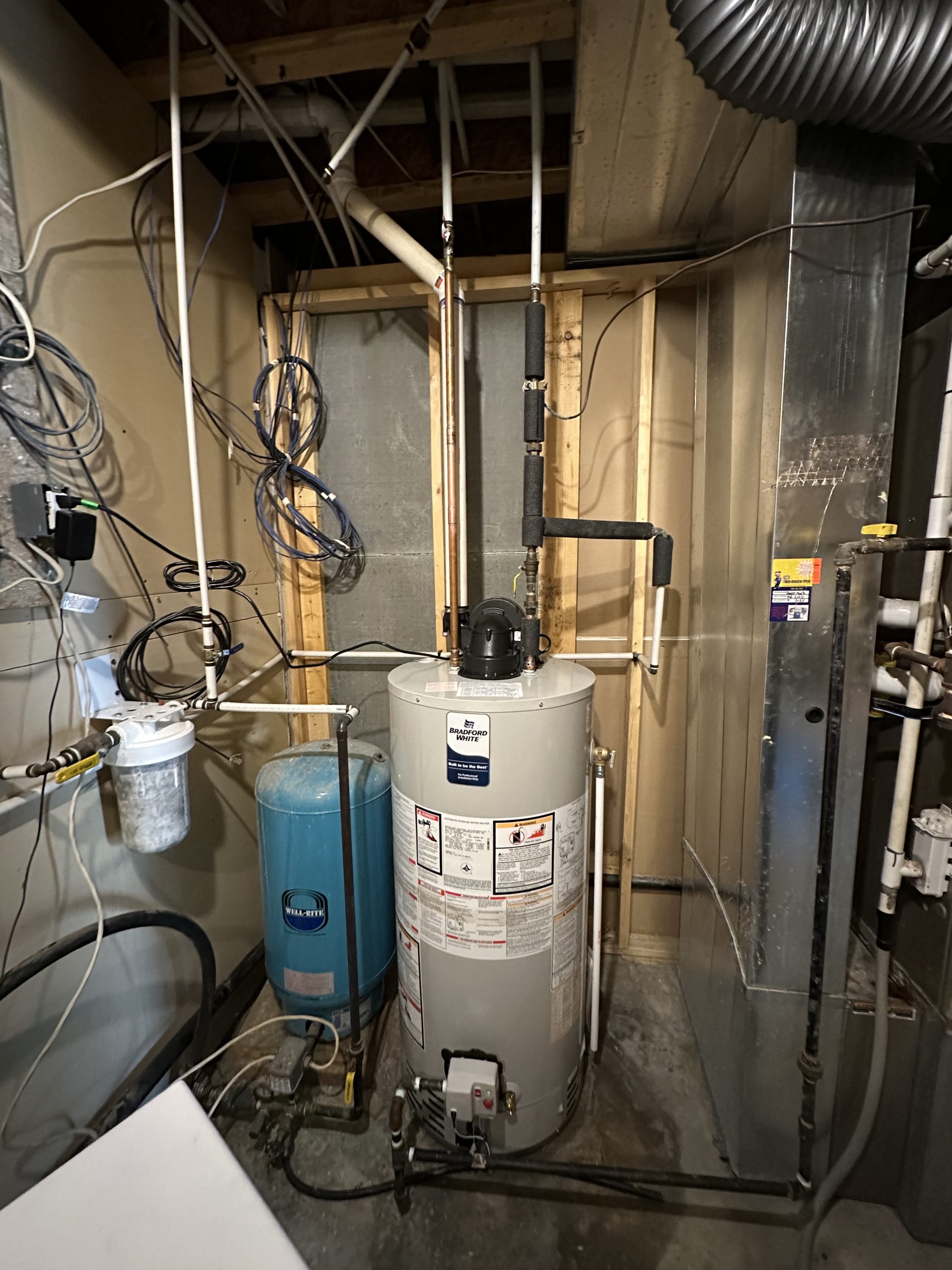
To this end, Alberta's plumbing codes provide detailed specifications for various components, including piping, fixtures, and drainage.
A key aspect of these regulations is plumbing system maintenance, which guarantees that systems operate effectively throughout their lifespan. Regular maintenance prevents potential hazards such as leaks or blockages, which could lead to more extensive damage if left unchecked.
It is essential for contractors and homeowners alike to be aware of these requirements to maintain the integrity of their plumbing installations.
Code enforcement agencies play an integral role in upholding Alberta's plumbing standards. These agencies are responsible for reviewing plans, conducting inspections, and issuing permits to guarantee that all plumbing work adheres to the established codes.
Key Installation Standards
When installing plumbing systems in Alberta, adherence to key installation standards is vital to guarantee safety and functionality. Understanding these standards begins with the selection of appropriate pipe materials and effective installation techniques. Alberta's plumbing codes specify materials suitable for various applications, such as copper, PVC, PEX, and galvanized steel, each chosen based on durability, cost, and suitability for specific water conditions. Proper installation techniques secure these materials function at peak efficiency, preventing leaks and system failures.
Below is a table summarizing key considerations for different pipe materials:
| Pipe Material | Advantages | Considerations | |----------------|-----------------------------------|------------------------------------| | Copper | Durable, resistant to corrosion | More expensive, requires soldering | | PVC | Lightweight, easy to install | Not suitable for hot water lines | | PEX | Flexible, fewer fittings needed | UV-sensitive, cannot be exposed | | Galvanized Steel | Strong, long lifespan | Prone to corrosion, heavy | | CPVC | Heat-resistant, easy to cut | Brittle at freezing temperatures |
Installation techniques, such as guaranteeing proper joint connections and adequate pipe support, are essential to maintaining system integrity. Techniques vary depending on the pipe material; for instance, PEX requires crimp fittings, while copper needs soldered joints. A professional approach to installation secures compliance with Alberta's standards, safeguarding both property and occupants.
Permits and Inspections
Securing the necessary permits and passing inspections are essential steps in plumbing installations in Alberta. Homeowners must understand the intricacies of the permit application and inspection process to guarantee compliance with provincial codes. A permit validates that a plumbing project adheres to established standards, safeguarding both property and public health.
Here is a concise guide to maneuvering through these requirements:
Permit Application: Before commencing any plumbing work, homeowners must submit a permit application to the local authority. This document outlines the scope of the project and guarantees that all plans meet regulatory criteria.
Documentation: Gathering thorough documentation is vital. This includes detailed plans, specifications, and any other pertinent information that supports the application. Incomplete submissions could lead to delays or rejections.
Inspection Process: Once the permit is approved, inspections are conducted at various stages of the project. These inspections verify that the installation aligns with the approved plans and complies with safety standards.
Final Approval: The final inspection is significant for project completion. It confirms that all plumbing work has been executed correctly and that the system is safe and functional.
Adhering to these steps guarantees a smooth, compliant installation process, minimizing future complications.
Water Conservation Requirements
Efficient water use is a critical component of modern plumbing practices, and Alberta's plumbing codes include specific water conservation requirements to promote sustainability.
These codes are designed to guarantee that residential and commercial properties incorporate water-efficient technologies and practices. One of the key aspects of these requirements is the use of water saving fixtures. This includes low-flow toilets, faucets, and showerheads that markedly reduce water usage without compromising performance. By mandating such fixtures, the plumbing codes aim to lower water consumption and enhance resource management.
In addition to indoor water saving fixtures, Alberta's plumbing codes also address irrigation efficiency for outdoor water usage. Effective irrigation systems are essential in minimizing water wastage in landscaping and gardening.
The codes encourage the use of smart irrigation technologies, such as drip irrigation systems and weather-based controllers, which adjust water delivery based on environmental conditions. This not only conserves water but also guarantees that plants receive the best amount of hydration.
Common Code Violations
Guiding through Alberta's plumbing codes can sometimes lead to common violations, often due to oversight or a lack of understanding. Homeowners may inadvertently overlook certain obligations, resulting in frequent issues in compliance.
Understanding these common violations is vital to fulfilling homeowner responsibilities, guaranteeing safety and efficiency in residential plumbing systems. Below are some typical infractions:
Improper Installation of Fixtures: A frequent issue is incorrectly installed or unapproved plumbing fixtures. Homeowners should verify that all fixtures meet the required standards and are installed by qualified professionals.
Ventilation Deficiencies: Adequate venting is vital for proper drainage and air circulation. A common violation is insufficient or improperly located vent pipes, which can lead to pressure imbalances and sewer gas leaks.
Unapproved Materials: Using non-compliant materials is another frequent issue. Homeowners must verify that all plumbing materials are approved according to Alberta's codes, as unapproved materials can lead to system failures.
Inadequate Backflow Prevention *: Backflow prevention is essential for protecting *potable water supplies. Failure to install or maintain backflow prevention devices is a common violation that could lead to contamination.
Being aware of these common code violations can aid homeowners in adhering to regulations, promoting a safe and efficient plumbing environment.
Tips for Compliance
To guarantee compliance with Alberta's plumbing codes, homeowners should adopt a proactive approach. This begins with selecting the appropriate plumbing materials, which must meet the province's standards for safety and durability. Homeowners should verify that materials such as pipes, fittings, and fixtures are certified and suitable for their specific applications.
Using approved materials guarantees not only compliance but also the longevity and efficiency of the plumbing system.
Engaging with qualified professionals is another https://www.tumblr.com/delightfulwombatdragon/780620573620453376/the-ultimate-guide-to-effective-drain-cleaning critical step. Understanding contractor responsibilities is essential; homeowners must ascertain that hired contractors hold valid licenses and are familiar with the latest code requirements. This includes verifying that the contractor is responsible for obtaining necessary permits, conducting inspections, and adhering to all safety protocols.
Regular maintenance and timely upgrades to plumbing systems can prevent violations. Homeowners should schedule routine inspections to identify potential issues early, allowing for prompt repairs and updates.
Staying informed about any changes in the Alberta plumbing codes is equally important, as regulations can evolve.
Conclusion
In summation, Alberta's plumbing codes, a framework of meticulous guidelines, guarantee safe and efficient systems within residences. Mastery of key installation standards, coupled with adherence to permits and inspections, forms the cornerstone of compliance. Water conservation requirements underscore a commitment to sustainability, while awareness of common violations aids in proactive adherence. By maneuvering through this regulatory landscape with diligence, homeowners safeguard both structural integrity and ecological responsibility, harmonizing modern living with regulatory mandates. Consequently, knowledge serves as both shield and compass in this domain.